As the air turns crisp and leaves begin to fall, our thoughts shift to cozy sweaters and warm drinks. But before you fully settle into winter mode, it’s the perfect time to give your home’s plumbing a little TLC. Taking a few simple steps now can prevent the headaches and costly damage that come with frozen and burst pipes.
Follow this essential checklist to ensure your plumbing survives the cold snap.
Disconnect and Drain Outdoor Hoses
This is one of the easiest and most important tasks. Leaving a hose connected can trap water in the faucet and pipe, which then freezes and expands, cracking the pipe inside your wall.
- What to do: Disconnect all garden hoses from their spigots. Drain the hoses completely and store them indoors. Don’t forget to shut off the indoor valve that supplies water to outdoor faucets, if you have one.
Insulate Exposed Pipes
Pipes in unheated areas like basements, crawl spaces, attics, and garages are the most vulnerable to freezing.
- What to do: Check these areas for exposed pipes. You can easily insulate them with pre-slit foam pipe insulation, which is inexpensive and available at any hardware store. For extra protection in extremely cold areas, consider using thermostatically controlled heat tape.
Seal Those Gaps
A small crack or gap can let in a surprisingly large amount of cold air, enough to freeze a pipe.
- What to do: Inspect the areas where plumbing lines enter your home. Use caulk or spray foam insulation to seal any gaps in your home’s foundation, walls, or siding. This not only protects your pipes but also improves your home’s energy efficiency.
Know Your Main Water Shut-Off Valve
In a plumbing emergency, like a burst pipe, every second counts. Knowing how to turn off the water quickly can minimize damage.
- What to do: Locate your main water shut-off valve. It’s typically where the water line enters your home, often in the basement, crawlspace, or garage. Test the valve to make sure it turns easily. If it’s stuck, have it repaired now before you need it in a panic.
Give Your Water Heater a Check-Up
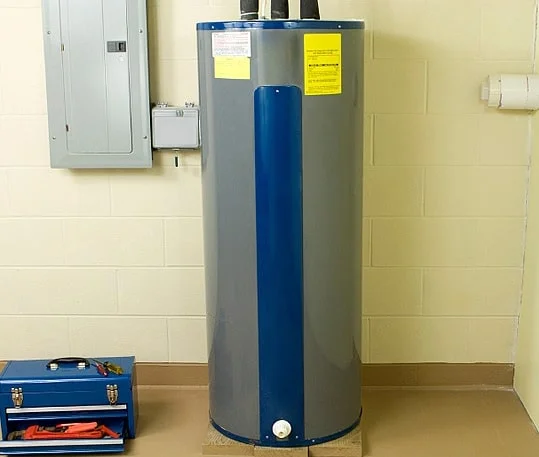
Your water heater works harder in the winter. Sediment buildup can reduce its efficiency and strain the unit.
- What to do: Drain a few gallons of water from the drain valve at the bottom of the tank to flush out sediment. Also, check the temperature setting; 120°F (49°C) is usually sufficient for most households and is more energy-efficient. If you’re unsure about performing maintenance, scheduling a professional inspection is a great idea.
Don’t Forget the Sump Pump
A frozen discharge pipe or a failed sump pump during a winter thaw can lead to a flooded basement.
- What to do: Pour a bucket of water into the sump pit to trigger the pump and ensure it’s working correctly. Make sure the discharge pipe is clear of debris and directs water away from your home’s foundation.
What to Do If a Pipe Freezes
If you turn on a faucet and only a trickle comes out, you likely have a frozen pipe.
- Act Fast: Keep the faucet open. As you treat the frozen pipe, the running water will help melt the ice.
- Apply Heat: Use a hairdryer, a heat lamp, or a portable space heater (keeping it away from flammable materials) to gently warm the frozen section. Never use an open flame, as it is a fire hazard and can damage the pipes.
- Check Other Faucets: If one pipe freezes, others may be at risk. Check the rest of your home.
Taking a weekend to complete these tasks will give you peace of mind all season long. A little prevention now means you can enjoy the winter wonderland outside without any plumbing worries on the inside.