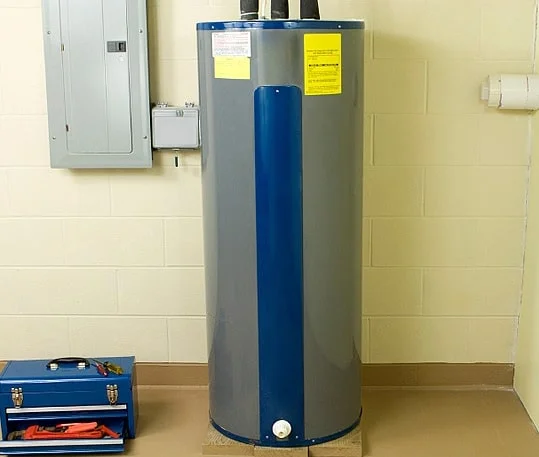
Your water heater is one of those unsung heroes of your home. It works tirelessly in the background, quietly providing hot showers, clean dishes, and sanitized laundry. Most of the time, you don’t think about it—until something goes wrong.
Instead of waiting for a catastrophic leak that floods your garage or basement, it’s wise to know the warning signs of a failing water heater. Catching them early can save you from a cold shower emergency and a costly water damage repair bill.
Here are 5 key signs that your water heater is crying out for retirement.
1. You’re Running Out of Hot Water Faster Than Usual
Remember when your whole family could shower one after the other? Now, the third person in line is greeted by an icy blast. A noticeable decrease in your hot water supply is one of the most common red flags.
- What’s Happening? In tank water heaters, this is often caused by sediment buildup. Minerals from your water settle at the bottom of the tank, creating a barrier between the burners and the water. This makes the heater less efficient and reduces its capacity. For tankless models, it could be a sign of a failing heat exchanger or that the unit is undersized for your current needs.
2. The Water Isn’t Hot, It’s “Discolored”
If the water from your hot taps looks rusty, cloudy, or has a metallic odor, your water heater is likely the culprit.
- What’s Happening? This is a classic sign of internal tank corrosion. The protective glass lining inside the tank can wear down over time, exposing the steel to water and oxygen. Once the tank itself begins to rust, it’s only a matter of time before it springs a leak. This is a clear signal that the unit is at the end of its lifespan.
3. You Hear Strange Noises Coming from the Tank
Is your once-silent appliance now groaning, rumbling, or popping like a kettle of popcorn? Don’t ignore these sounds—they are a cry for help.
- What’s Happening? These noises are almost always due to sediment buildup. As the sediment hardens and gets heated, it creates steam bubbles that trap and release, causing those rumbling and popping sounds. This not only makes your heater inefficient but also creates hot spots that can damage the tank from the inside out.
4. You’ve Spotted Puddles or Signs of Moisture
A small puddle around the base of your water heater is a major warning sign. Don’t assume it’s just condensation from a pipe; investigate immediately.
- What’s Happening? Over years of heating and cooling, the metal tank can develop tiny fractures, or the internal corrosion can create a pinhole leak. What starts as a small drip can quickly turn into a major rupture, potentially causing significant water damage to your home. If you see moisture, it’s not a question of if it will fail, but when.
5. It’s Getting On in Years
Just like any major appliance, water heaters have a finite lifespan. The average traditional tank water heater lasts between 8 and 12 years. If yours is within or beyond that window, it’s living on borrowed time.
- What to Do: Check the manufacturer’s sticker on the side of the tank. It will usually have the installation date or the manufacture date. Even if it seems to be working fine, an older unit is far less efficient than modern models, costing you more on your energy bills every month.
What to Do Next
If you’re experiencing one or more of these signs, don’t panic! The best course of action is to call us. We can perform a thorough inspection, accurately diagnose the issue, and tell you if a repair is possible or if a replacement is your best (and most cost-effective) option.
Investing in a new, energy-efficient water heater can not only restore your peace of mind and your hot showers but can also lower your monthly energy bills.